
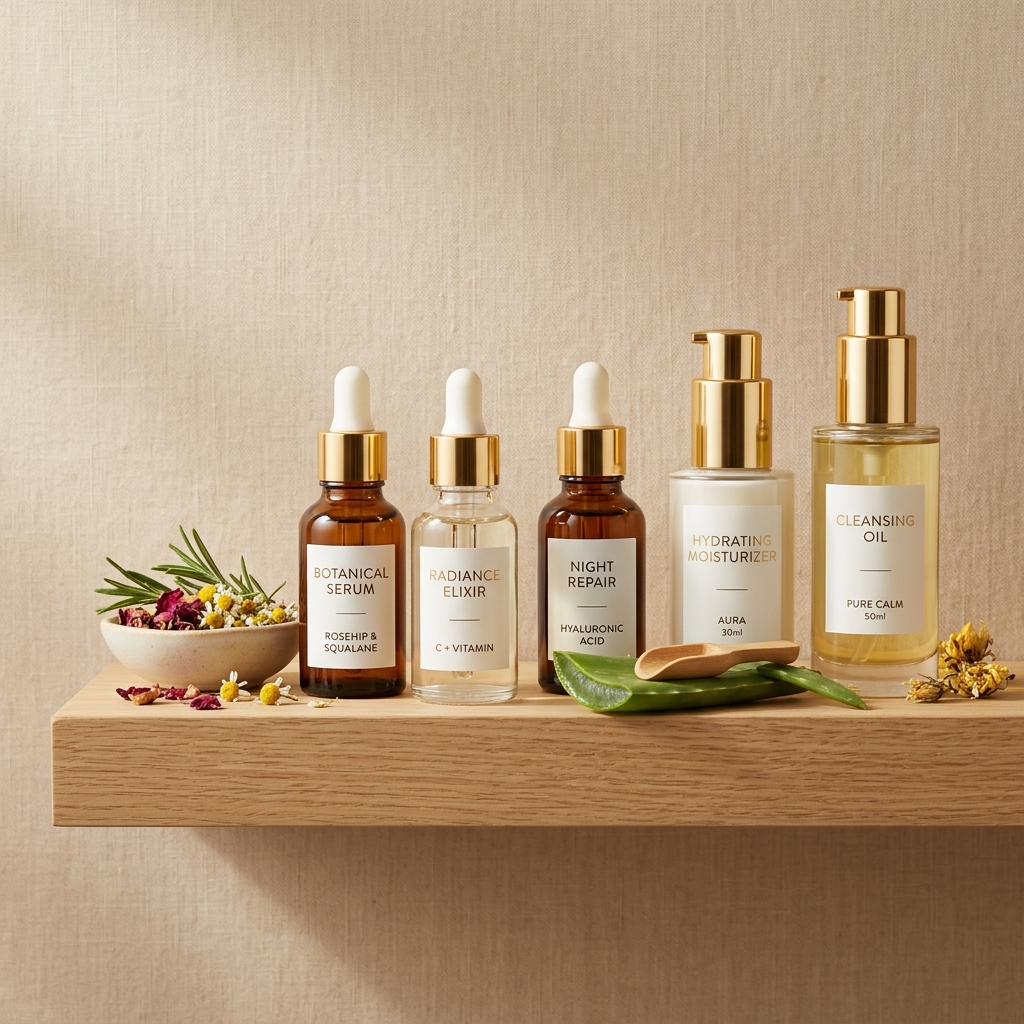
En la actualidad, aplicamos diariamente decenas de ingredientes químicos sobre nuestra piel sin comprender su impacto real en la barrera epidérmica. Desde champús y geles hasta sueros faciales de alta tecnología, el mercado de productos personales suele ocultar tras promesas publicitarias fórmulas que pueden desestabilizar la homeostasis cutánea. Entender la ciencia detrás de los ingredientes y aprender a leer las etiquetas cosméticas no es un capricho estético, sino una necesidad fundamental de salud pública para proteger el órgano más grande del cuerpo humano. Currently, we apply dozens of chemical ingredients to our skin daily without understanding their real impact on the epidermal barrier. From shampoos and gels to high-tech facial serums, the personal products market often hides formulas behind advertising promises that can destabilize skin homeostasis. Understanding the science behind ingredients and learning to read cosmetic labels is not an aesthetic whim, but a fundamental public health necessity to protect the human body's largest organ.
"Aprender a descifrar la lista de ingredientes es la herramienta de empoderamiento más poderosa para el cuidado real y seguro de tu barrera cutánea." "Learning to decode the list of ingredients is the most powerful empowerment tool for real and safe care of your skin barrier."
Especialista en Bienestar
1. ¿Qué es la Nomenclatura INCI y Cómo Leerla? 1. What is INCI Nomenclature and How to Read It?
La nomenclatura INCI (International Nomenclature of Cosmetic Ingredients) es el sistema estandarizado internacional para declarar los ingredientes en la etiqueta de cualquier cosmético. Para comprenderla científicamente, debemos regirnos por dos reglas de oro: The INCI (International Nomenclature of Cosmetic Ingredients) nomenclature is the standardized international system for declaring ingredients on the label of any cosmetic. To understand it scientifically, we must be guided by two golden rules:
- Orden de Concentración Decreciente: Los ingredientes se listan obligatoriamente en orden decreciente de peso. Los que aparecen al principio constituyen el 80-90% del producto (usualmente agua o vehículos solventes), mientras que los ingredientes con una concentración menor al 1% pueden listarse al final en cualquier orden. Decreasing Concentration Order: Ingredients must be listed in decreasing order of weight. Those at the beginning constitute 80-90% of the product (usually water or solvent carriers), while ingredients with a concentration of less than 1% can be listed at the end in any order.
- Latín vs. Inglés: Las sustancias botánicas o extractos de plantas no modificados químicamente se escriben siempre en latín (ej. Rosmarinus Officinalis Extract), mientras que las sustancias químicas sintetizadas o derivadas industrialmente se expresan en inglés (ej. Sodium Hyaluronate o Glycerin). Latin vs. English: Botanical substances or plant extracts that are not chemically modified are always written in Latin (e.g., Rosmarinus Officinalis Extract), while chemically synthesized or industrially derived substances are expressed in English (e.g., Sodium Hyaluronate or Glycerin).
2. Toxicología Cosmética: Sustancias Críticas a Evitar 2. Cosmetic Toxicology: Critical Substances to Avoid
Muchos productos de consumo masivo contienen compuestos químicos de bajo costo que actúan como conservantes, emulsionantes o surfactantes agresivos. La Organización Mundial de la Salud (OMS / WHO) ha advertido de forma reiterada sobre la exposición acumulativa a ciertos disruptores endocrinos y alérgenos en el ambiente doméstico. Entre los ingredientes más controvertidos y vigilados en toxicología cosmética destacan: Many mass-market products contain low-cost chemical compounds that act as preservatives, emulsifiers, or harsh surfactants. The World Health Organization (WHO / OMS) has repeatedly warned about cumulative exposure to certain endocrine disruptors and allergens in the domestic environment. Among the most controversial and monitored ingredients in cosmetic toxicology, the following stand out:
- Conservantes Liberadores de Formaldehído: Compuestos como la DMDM Hydantoin o la Imidazolidinyl Urea liberan formaldehído gradualmente para preservar el producto, pero son potentes alérgenos y sensibilizantes cutáneos prohibidos o altamente limitados en diversas regulaciones clínicas internacionales. Formaldehyde-Releasing Preservatives: Compounds like DMDM Hydantoin or Imidazolidinyl Urea gradually release formaldehyde to preserve the product, but they are potent allergens and skin sensitizers banned or highly limited in various international clinical regulations.
- Sulfatos Agresivos (SLS): El Sodium Lauryl Sulfate es un detergente muy potente que genera abundante espuma pero barre los lípidos intercelulares esenciales de la piel, deshidratando y comprometiendo gravemente la barrera hidrolipídica. Harsh Sulfates (SLS): Sodium Lauryl Sulfate is a very powerful detergent that generates abundant foam but strips away the skin's essential intercellular lipids, severely dehydrating and compromising the hydrolipid barrier.
- Ftalatos y Fragancias Sintéticas: Declarados frecuentemente bajo la palabra ambigua "Fragrance" o "Parfum", estos complejos de síntesis química suelen contener ftalatos (usados para fijar el aroma), que son sospechosos de alterar el sistema hormonal. Phthalates and Synthetic Fragrances: Frequently declared under the ambiguous word "Fragrance" or "Parfum", these chemical synthesis complexes often contain phthalates (used to fix the scent), which are suspected of altering the hormonal system.
3. La Batalla de los Lípidos: Aceites Vegetales vs. Aceites Minerales 3. The Battle of Lipids: Vegetable Oils vs. Mineral Oils
Una de las decisiones más críticas al formular o comprar cosméticos radica en el tipo de base lipídica empleada: One of the most critical decisions when formulating or purchasing cosmetics lies in the type of lipid base used:
Los aceites minerales (como el Paraffinum Liquidum, Vaseline o Petrolatum) son hidrocarburos purificados derivados del petróleo. No poseen nutrientes, vitaminas ni ácidos grasos esenciales. Su mecanismo de acción consiste en formar una película plástica impermeable y oclusiva sobre la piel. Si bien previenen la pérdida de agua transepidérmica, no nutren las capas profundas y pueden obstruir los poros, asfixiando los procesos de renovación celular en pieles con tendencia acneica. Mineral oils (such as Paraffinum Liquidum, Vaseline, or Petrolatum) are purified hydrocarbons derived from petroleum. They contain no nutrients, vitamins, or essential fatty acids. Their mechanism of action consists of forming an impermeable, occlusive plastic film over the skin. Although they prevent transepidermal water loss, they do not nourish deep layers and can clog pores, suffocating cellular renewal processes in acne-prone skin.
Por el contrario, los aceites vegetales biológicos (como el de Simmondsia Chinensis [Jojoba], Rosa Mosqueta, Argania Spinosa [Argán] o Prunus Amygdalus Dulcis [Almendras dulces]) son biológicamente compatibles con el sebo humano. Aportan ceramidas naturales, antioxidantes, y ácidos grasos esenciales (Omega 3, 6 y 9) que se integran activamente en el cemento intercelular de la epidermis, reparando la barrera cutánea de forma real y promoviendo la síntesis de colágeno, tal como destacan investigaciones publicadas por prestigiosos institutos de dermatología clínica. Conversely, organic vegetable oils (such as Simmondsia Chinensis [Jojoba], Rosehip, Argania Spinosa [Argan], or Prunus Amygdalus Dulcis [Sweet Almond]) are biologically compatible with human sebum. They provide natural ceramides, antioxidants, and essential fatty acids (Omega 3, 6, and 9) that actively integrate into the intercellular cement of the epidermis, repairing the skin barrier and promoting collagen synthesis, as highlighted by research published by prestigious clinical dermatology institutes.
4. El Rigor Científico del "Patch Test" en Casa 4. The Scientific Rigor of the "Patch Test" at Home
Para evitar cuadros severos de dermatitis por contacto alergénica o irritativa inducida por cosméticos, la dermatología clínica prescribe la realización obligatoria de una prueba de parche o Patch Test antes de incorporar cualquier producto con activos concentrados (como Ácido Salicílico, Glicólico, Retinol o Vitamina C pura): To avoid severe cases of allergenic or irritant contact dermatitis induced by cosmetics, clinical dermatology prescribes the mandatory performance of a patch test or Patch Test before incorporating any product with concentrated active ingredients (such as Salicylic Acid, Glycolic Acid, Retinol, or pure Vitamin C):
- Aplicación: Coloca una pequeña gota del producto en una zona limpia y altamente sensible pero protegida, preferiblemente detrás del lóbulo de la oreja o en la cara interna del antebrazo. Application: Place a small drop of the product on a clean and highly sensitive but protected area, preferably behind the earlobe or on the inner side of the forearm.
- Tiempo de Espera: Mantén la zona seca y libre de otros productos durante 24 a 48 horas. Wait Time: Keep the area dry and free of other products for 24 to 48 hours.
- Evaluación: Si transcurrido ese tiempo observas enrojecimiento, picazón, ardor o pequeñas vesículas, descarta inmediatamente el producto: tu sistema inmune ha identificado un alérgeno o la formulación es demasiado ácida/irritante para tu umbral de sensibilidad cutánea. Evaluation: If after this time you notice redness, itching, burning, or small blisters, immediately discard the product: your immune system has identified an allergen or the formulation is too acidic/irritating for your skin sensitivity threshold.
Advertencias y Contraindicaciones Críticas Critical Warnings and Contraindications
Presta especial atención a las siguientes restricciones clínicas sobre el uso de cosméticos activos: Pay special attention to the following clinical restrictions on the use of active cosmetics:
- Alergias Conocidas a Componentes Activos: No utilices cosméticos con Ácido Salicílico si tienes alergia diagnosticada a la aspirina o salicilatos. Asimismo, evita productos con extractos de nueces o almendras si sufres de alergias alimentarias graves a frutos secos. Se requiere comunicación y aprobación médica explícita previa ante cualquier duda.Known Allergies to Active Components: Do not use cosmetics with Salicylic Acid if you have a diagnosed allergy to aspirin or salicylates. Also, avoid products with nut or almond extracts if you suffer from severe food allergies to nuts. Prior communication and explicit medical approval is required in case of any doubt.
- Piel Comprometida o Lesionada: Está estrictamente prohibido aplicar ácidos de peeling (AHA/BHA), retinoides o sueros con altas concentraciones de alcohol desnaturalizado sobre pieles con quemaduras solares activas, heridas abiertas, eccema agudo o psoriasis brotada.Compromised or Injured Skin: It is strictly prohibited to apply peeling acids (AHA/BHA), retinoids, or serums with high concentrations of denatured alcohol on skin with active sunburns, open wounds, acute eczema, or flared psoriasis.
- Embarazo y Lactancia: El uso de Ácido Retinoico, Retinol y sus derivados (Retinoides) está clínicamente contraindicado por riesgo teratogénico. Consulta siempre con tu médico obstetra antes de aplicar cualquier despigmentante o ácido exfoliante fuerte.Pregnancy and Lactation: The use of Retinoic Acid, Retinol, and their derivatives (Retinoids) is clinically contraindicated due to teratogenic risk. Always consult your obstetrician before applying any strong depigmenting agent or exfoliating acid.
Pautas Críticas de Cuidado y Aplicación Critical Care and Application Guidelines
Para mantener la integridad de tu barrera hidrolipídica y evitar lesiones químicas autoinducidas, sigue rigurosamente estas pautas en tu rutina diaria: To maintain the integrity of your hydrolipid barrier and avoid self-induced chemical injuries, rigorously follow these guidelines in your daily routine:
- No mezcles activos incompatibles: Evita superponer en el mismo paso de tu rutina nocturna Retinol con ácidos exfoliantes potentes (como Glicólico o Salicílico). Esta combinación destruye el manto lipídico protector y genera quemaduras químicas por sobre-exfoliación. Do not mix incompatible actives: Avoid layering Retinol with powerful exfoliating acids (such as Glycolic or Salicylic) in the same step of your nighttime routine. This combination destroys the protective lipid mantle and generates chemical burns due to over-exfoliation.
- Fotoprotección Absoluta Obligatoria: Si utilizas ácidos o retinoides por la noche, debes aplicar protector solar de amplio espectro (FPS 50+) a la mañana siguiente y reaplicarlo estrictamente cada 3 horas. Estos compuestos sensibilizan las células cutáneas, multiplicando el riesgo de hiperpigmentaciones solares. Mandatory Absolute Photoprotection: If you use acids or retinoids at night, you must apply broad-spectrum sunscreen (SPF 50+) the following morning and strictly reapply it every 3 hours. These compounds sensitize skin cells, multiplying the risk of solar hyperpigmentation.
- No te laves el rostro con agua excesivamente caliente: El agua a alta temperatura disuelve instantáneamente los ácidos grasos naturales que mantienen cohesionada la barrera epidérmica, provocando deshidratación y sensibilización severa. Do not wash your face with excessively hot water: High-temperature water instantly dissolves the natural fatty acids that keep the epidermal barrier cohesive, leading to severe dehydration and sensitization.
Asesoría Profesional de tu Rutina de Cuidado Professional Care Routine Consultation
Si te hospedas en el Hotel Hilton, puedes coordinar tu sesión independiente de Bienestar y Estética directamente en tu habitación (obteniendo un descuento especial como huésped). También atendemos a domicilio en CABA o en nuestras sucursales de Belgrano y Monserrat. Diseñaremos un protocolo específico y seguro para tu tipo de piel. If you are staying at the Hilton Hotel, you can coordinate your independent Wellness & Aesthetics session directly in your room (receiving a special guest discount). We also provide home service in CABA or at our Belgrano and Monserrat branches. We will design a specific and safe protocol for your skin type.
Coordinar Asesoría vía WhatsApp Book Consultation via WhatsApp